Exploring the psychology behind risk-taking in gambling decisions
The Thrill of Uncertainty
The allure of gambling often lies in the thrill of uncertainty. When individuals place bets, they engage in a psychological dance between hope and fear. This adrenaline rush can be intoxicating, as the anticipation builds before the outcome is revealed. Psychologically, this experience can evoke feelings of euphoria or despair, driven by the unpredictability inherent in gambling. The brain releases dopamine, a neurotransmitter associated with pleasure, reinforcing the behavior of risk-taking. To learn more, you can visit site and explore the insights provided.

Furthermore, the uncertainty in gambling can lead to what’s known as “loss chasing.” Players may continue to gamble in hopes of recouping losses, driven by the belief that a win is just around the corner. This pattern can create a cycle where the excitement of taking risks overshadows rational decision-making, resulting in potentially harmful consequences.
Personality Traits and Risk Tolerance
Individual differences in personality significantly influence gambling behavior. Research indicates that traits such as impulsivity, sensation-seeking, and a propensity for thrill-seeking correlate with a higher likelihood of engaging in gambling activities. Those with higher levels of impulsivity may make quicker, less calculated decisions, often leading them to take greater risks. This tendency can magnify the gambling experience, as the rush of risk often outweighs the potential for loss.
Moreover, risk tolerance varies widely among individuals. Some people approach gambling with a calculated mindset, while others dive in headfirst, regardless of the odds. Understanding one’s own risk tolerance can play a crucial role in determining their gambling strategies and the overall experience they seek, whether for entertainment or financial gain.
The Social Influence on Gambling Choices
Social interactions also shape gambling decisions. People are influenced by their peers, often seeking validation and a shared experience in the gambling environment. This social aspect can amplify the excitement and encourage risk-taking, as players feed off each other’s energy. In group settings, the desire to impress others or fit in can lead to impulsive betting behavior, further blurring the lines between rational judgment and emotional impulse.
Additionally, the concept of social proof plays a significant role. When individuals observe others winning or enjoying their gambling experiences, they may be more inclined to participate themselves, convinced that they too can achieve similar success. This phenomenon can escalate risky behaviors as players chase the same exhilaration, often leading to overspending and negative consequences.
Cognitive Biases in Gambling Decisions
Cognitive biases profoundly affect how individuals perceive risk in gambling. One common bias is the “gambler’s fallacy,” where players believe that past outcomes will influence future results. For example, if a slot machine has not paid out in a while, individuals might assume it is “due” for a win, leading to increased bets. This flawed reasoning can distort risk perception and lead to significant financial losses.
Another bias is overconfidence, where individuals believe they have a better understanding of the game or can predict outcomes more accurately than they actually can. This overestimation of ability can drive players to take larger risks, often resulting in unfavorable outcomes. Recognizing these biases can aid players in making more informed decisions, fostering a healthier gambling mindset.
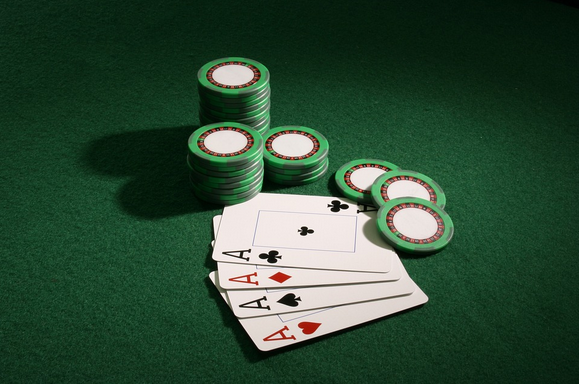
Your Resource for Gambling Insights
At our website, we aim to empower individuals with knowledge about gambling behavior and decision-making. Understanding the psychology behind risk-taking can enhance players’ experiences while promoting responsible gaming practices. We provide insights into various gambling strategies, tips for recognizing personal biases, and resources for those seeking help with gambling issues.
By fostering a community focused on awareness and education, we strive to create a safer gambling environment. Our goal is to ensure that individuals approach gambling with a balanced mindset, enjoying the thrill while maintaining control over their choices. Explore our resources to enhance your understanding of gambling psychology and make informed decisions in your gaming journey.